Science and Discovery
Cosmos & SpaceHealth & MedicinePhysics & QuantumTechnology & AI
Science and Discovery

Reporting from the frontiers of human knowledge.

Science and Discovery provides in-depth reporting and analysis on the latest breakthroughs in scientific research and exploration. From the vastness of space to the intricacies of the quantum realm, we cover the discoveries that are shaping our future.

Sections

  • Cosmos & Space
  • Earth & Environment
  • Life & Biology
  • Health & Medicine
  • Physics & Quantum
  • Technology & AI
  • Explainers

Writers

Meet our writers →

Trending Topics

AstronomyGeneticsEarly UniverseCosmologyJames Webb Space TelescopeGene ExpressionEnvironmentBiology

About

  • Contact
  • Privacy Policy
  • Terms of Service

© 2026 Science and Discovery. All rights reserved.

  1. Home
  2. /Life & Biology
  3. /What is Epigenetics and How Do Environment Factors Affect Gene Expression?
Life & Biology

What is Epigenetics and How Do Environment Factors Affect Gene Expression?

A sweeping meta-analysis, synthesizing 140 studies and 65,919 participants, reveals a profound truth: social determinants of health are deeply linked to changes in our 'epigenetic clocks.

MC
Marcus Cole

August 17, 2026 · 3 min read

A DNA helix merging with diverse environmental elements, illustrating how external factors influence gene expression and biological aging.

A sweeping meta-analysis, synthesizing 140 studies and 65,919 participants, reveals a profound truth: social determinants of health are deeply linked to changes in our 'epigenetic clocks.' This means our environment—where we live, our education, our access to resources—doesn't just shape our daily lives; it directly influences how our bodies age at a biological level.

Our fundamental genetic code, the DNA blueprint, stays constant throughout our lives. Yet, environmental influences are continuously altering how those genes are expressed, impacting our health across generations. Think of it like this: your genes are the hardware, but your environment acts like software updates, changing how that hardware performs.

A deeper understanding of how environmental factors influence gene expression through epigenetics is critical for developing personalized health strategies and public health interventions that go beyond simply looking at our genetic predispositions.

Beyond the DNA: What is Epigenetics?

Our bodies possess an incredible system that controls gene usage without altering the genes themselves. This is epigenetics—think of it as dimmer switches on our genes, fine-tuning their activity. Environmental factors, from the food we eat to the air we breathe, directly influence key epigenetic marks like DNA methylation, according to dna methylation at the crossroads of gene and environment .... This dynamic process allows our cells to specialize and adapt, making our biology remarkably flexible and responsive to external cues.

The Disease Connection: Environmental Toxicants

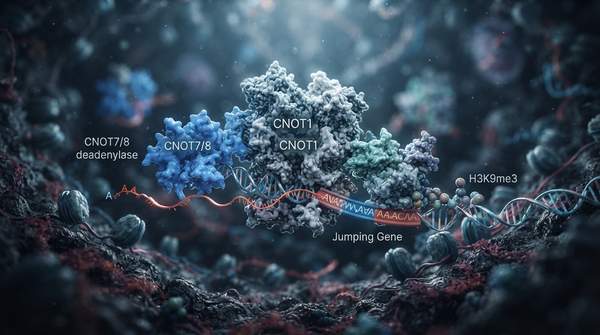
Harmful agents in our environment directly interfere with genetic regulation. Environmental toxicants can negatively impact human health and contribute to disease by altering epigenetic marks like DNA methylation, according to environmental impact on dna methylation in the germline. These alterations can effectively silence protective genes or activate those promoting illness, initiating pathways to various diseases. For instance, certain chemicals might disable genes crucial for cell repair, dramatically increasing our vulnerability. Our environment, quite literally, rewrites parts of our health story.
The Dual Role: Cancer Development and Prevention

Environmental factors exert a surprisingly complex, dual influence on epigenetics, acting as both disease triggers and protective shields. While environmental impacts can drive cancer development, these same influences can also contribute to cancer prevention, according to a review on epigenetic effects of environmental factors .... The critical takeaway is the specific nature of the exposure. Consuming certain nutrients, for example, can beneficially modify epigenetic marks, actively helping to prevent cancer. This dynamic interplay means environmental intervention isn't just about avoiding harm; it's about leveraging specific exposures to build resilience against severe conditions like cancer.

Lifelong Impacts: From Development to Aging

Environmental epigenetic modifications are far from temporary; they exert profound, lasting effects across an individual's entire life. Exposure to specific environmental factors or induced epigenetic changes can lead to developmental disorders, according to pubmed.ncbi.nlm.nih.gov. This isn't merely about immediate health; it's about setting a health trajectory early on, influencing outcomes decades later. Our biological age, therefore, emerges as a fluid concept, continuously shaped by our surroundings, not simply the passage of time. The implications for lifelong health are immense.

Common Questions: Cardiovascular Health

What are the main environmental factors affecting epigenetics?

While we've discussed toxicants, factors like diet, stress levels, and even social interactions profoundly influence our epigenome. For example, nutrient availability directly impacts the molecules used for DNA methylation, according to genetics, epigenetic mechanism - statpearls - ncbi bookshelf.

How does diet affect gene expression?

Specific dietary components act as direct signals to our genes. Certain vitamins and minerals, for example, are crucial for enzymes that add or remove epigenetic marks, effectively turning genes on or off. What you eat, then, directly influences your body's cellular response, extending far beyond basic nutrition.

Can lifestyle changes alter epigenetic markers?

Absolutely! Engaging in regular physical activity or practicing mindfulness can lead to beneficial epigenetic adjustments. These changes can improve cellular resilience and even slow down the acceleration of our biological clocks, moving us towards better health outcomes and potentially reducing disease risk.

The Bottom Line: Empowering Environmental Choices

Recognizing the profound epigenetic link to conditions like cardiovascular disease empowers us. Environmental exposure or induced epigenetic changes can lead to cardiovascular disease, according to pubmed.ncbi.nlm.nih.gov. This knowledge grants us agency, allowing us to actively influence our biological age and disease susceptibility through informed environmental and lifestyle choices. If public health initiatives continue to prioritize educating communities on reducing negative environmental exposures, we will likely see a significant shift towards longer, healthier lives for everyone.

Tags

EpigeneticsGene ExpressionEnvironmentAgingHealthBiologyScienceGenetics
MC

Marcus Cole

Senior Editor, Life Sciences

As the Senior Editor of Life Sciences, Marcus Cole covers breakthrough medical treatments, genetics, and public health trends. He focuses on finding the human story behind groundbreaking research to make the complex world of life sciences accessible to everyone.

More from Life & Biology

Abstract visualization of DNA strands and virus particles, symbolizing the evolutionary genetic links to COVID-19 severity discovered in Italian patients.

Evolutionary History Reveals Genetic Links to COVID-19 Severity

Two rare genetic changes in the TLR2 gene, identified in Italian COVID-19 patients, were directly linked to more severe forms of the disease.

Marcus Cole· Aug 4
Abstract visualization of intertwined DNA strands connecting human, sea anemone, and amoeba, symbolizing a universal gene activation language across life.

Scientists Discover Universal Gene Activation Language

The instructions for activating genes are essentially the same in humans, sea anemones, and soil amoebas.

Marcus Cole· Aug 3
A small, colorful manakin bird with bright plumage perched on a berry-laden branch, showcasing its specialized fruit-eating adaptation.

Manakins evolved to eat fruit by repurposing umami receptors

A single male manakin can consume its entire body weight in berries in only 1.5 hours.

David Grossman· Jul 21
A cosmic vista illustrating the immense timescale of evolution, highlighting Earth's unique journey towards complex life and civilization.

What Are Major Evolutionary Transitions and How Do They Occur?

Imagine a cosmic clock where the ticks mark major evolutionary leaps.

Marcus Cole· Jul 15

Trending Now

1
Introducing MedBlue: A Clear-Eyed Look at the Affordable Healthcare Discount Play in Florida

Introducing MedBlue: A Clear-Eyed Look at the Affordable Healthcare Discount Play in Florida

Health And Medicine· 3 views
2
The James Webb Space Telescope captures an exceptionally bright and energetic supermassive black hole in the early universe, challenging current cosmological models.

JWST Spots Bright New Black Hole in Early Universe

Cosmos And Space· 2 views
3
A split image showing a lush, diverse ecosystem on one side and a barren, industrialized landscape on the other, symbolizing the accelerating impact of human activity on Earth's sixth mass extinction.

Human impact on Earth's sixth mass extinction accelerating.

Earth And Environment· 1 view
4
Abstract visualization of quantum particles and waves, representing the fundamental concepts of quantum mechanics and their impact on modern technology.

What Are The Fundamental Concepts of Quantum Mechanics Explained?

Explainers· 1 view
5
A split cinematic image symbolizing the ethical debate around gene editing, showing a DNA helix and human embryo on one side, and a hopeful future with diverse people on the other.

What are the ethical considerations of gene editing technologies?

Explainers· 1 view
6
AI leaders from major tech companies collaborating on synthetic biology research, highlighting the need for regulation and biosecurity measures.

AI Leaders Urge Stricter Synthetic Biology Regulation

Life And Biology· 1 view