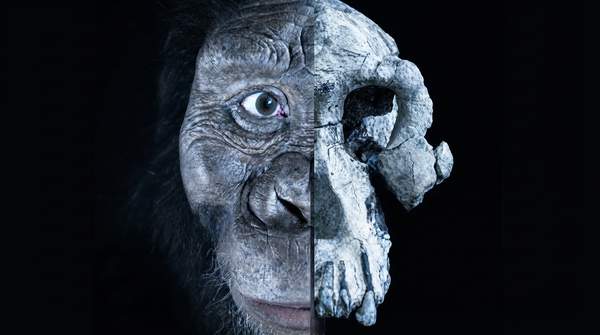
While human fertility often begins its decline in our 30s, some birds and reptiles maintain full reproductive capacity throughout their entire, exceptionally long lives. The sustained reproductive capacity of some birds and reptiles throughout their exceptionally long lives directly challenges our deepest assumptions about aging. Human aging is characterized by an inevitable decline in key physiological functions, yet these species demonstrate that sustained vitality and reproductive capacity are biologically possible. The contrast between human aging's inevitable decline and these species' sustained vitality reveals that what we consider an immutable law of nature might actually be a solvable biological problem. Therefore, expanding longevity research beyond traditional mammalian models to these extraordinary species is likely to uncover novel biological pathways with significant implications for human anti-aging therapies.
Animals That Defy Time
Studies beyond traditional model systems reveal exceptions to aging 'rules' observed in humans. Exceptions to aging 'rules' observed in humans suggest that biological mechanisms exist in nature that decouple aging from reproductive decline, offering potential targets for human health interventions.
1. Greenland Sharks
Best for: Understanding extreme cold adaptation and slow metabolic rates.
Greenland sharks live over 400 years, according to Source 0. Their deep, cold habitat likely contributes to their incredibly slow aging. Greenland sharks' extreme longevity offers unique insights into cellular repair and anti-aging mechanisms.
Strengths: Extreme longevity offers insights into cellular repair. | Limitations: Difficult to study in natural habitat. | Price: High research costs.
2. Freshwater Pearl Mussels
Best for: Studying environmental resilience and minimal senescence.
These mussels also live over 400 years, according to Source 0. They show negligible senescence, meaning their death risk doesn't significantly increase with age after maturity. They are prime subjects for understanding lifelong health.
Strengths: Potential for genetic insights into age resistance. | Limitations: Endangered status limits invasive research. | Price: Requires specialized aquatic research facilities.
3. Queen Termites
Best for: Investigating reproductive longevity and social insect biology.
Queen termites live over 20 years, according to Source 0—a remarkable feat for an insect. They maintain high reproductive output throughout their long lives, producing millions of offspring without apparent age-related fertility decline. Their sustained reproductive vitality presents a fascinating model.
Strengths: Model for sustained reproductive vitality. | Limitations: Biological differences from vertebrates. | Price: Colony maintenance and behavioral studies.
Where Humans Fall Short
These long-lived animals starkly contrast human aging. By examining their biological pathways, we can identify specific areas where human aging is not an immutable law, but a modifiable process.
| Feature | Humans | Long-Lived Animals (e.g. Greenland Shark, Freshwater Pearl Mussel, Queen Termite) |
|---|---|---|
| Maximum Lifespan | ~80-120 years | >20 to >400 years |
| Age-Related Fertility Decline | Significant decline, especially after 30s | Maintained throughout entire lifespan |
| Cellular Senescence Rate | Accumulates with age, contributes to decline | Significantly slower or negligible accumulation |
| Reproductive Capacity Maintenance | Finite and age-limited | Indefinite and sustained |
The Future of Human Longevity
The pmc study, showing some birds and reptiles maintain full reproductive capacity throughout life, demands a radical shift in pharmaceutical focus. Instead of merely slowing human aging, we must restore youthful physiological functions, starting with fertility. Restoring youthful physiological functions means targeting aging's fundamental biological drivers, not just its symptoms. The pmc study's findings suggest our current medical paradigm, accepting fertility loss as inevitable, is flawed. The flawed medical paradigm opens the door for groundbreaking research into sustained reproductive health and a paradigm shift in aging research, moving beyond traditional models to extend healthy human lifespan.
We can rewrite aging's rules by learning from nature's most resilient inhabitants. Understanding the anti-aging secrets of the longest-living animals is key. By 2028, leading pharmaceutical firms like BioGenX could launch clinical trials for novel fertility-extending therapies, directly informed by these longevity secrets.
Your Questions About Eternal Youth, Answered
Can we learn anti-aging from animals?
Yes, studying species like the naked mole-rat, known for cancer resistance and cellular health, reveals unique biological mechanisms. These include specialized protein repair systems and efficient waste removal pathways, less prominent in shorter-lived mammals.
What are the health benefits of studying animal longevity?
Research into long-lived animals offers blueprints for human therapeutic interventions. Understanding how some species repair DNA damage or resist inflammation could lead to new drugs. This research identifies specific anti-senescence pathways.
How do some animals maintain reproductive capacity throughout their lives?
Some long-lived birds and reptiles possess biological mechanisms preventing age-related decline in germline stem cells and hormone production. Their biological mechanisms suggest superior cellular maintenance and repair specific to reproductive tissues, allowing continuous fertility. It directly challenges the idea that fertility must decline.