
Superconducting Qubits
3 articles

Stability vs. Connectivity: How Three Quantum Architectures Balance Competing Qubit Needs
Quantum computing architectures face a core dilemma: qubits need stability to retain quantum information but connectivity to interact for computation. This article explores how superconducting, trapped-ion, and neutral-atom systems balance qubit stability versus connectivity, influencing their scalability and error correction.
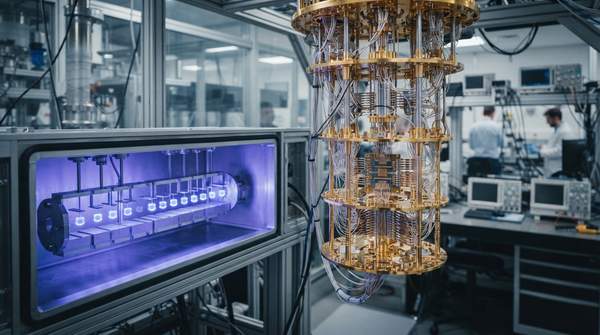
Superconducting vs. Trapped-Ion Qubits: Why Quantum Computing's Two Leading Architectures Trade Speed for Fidelity
Quantum computing's leading architectures, superconducting qubits and trapped-ion qubits, represent opposing engineering philosophies, each trading speed for fidelity. Superconducting qubits offer speed and manufacturability but struggle with decoherence, while trapped-ion qubits provide high fidelity and connectivity at the cost of slower operations and scaling challenges.
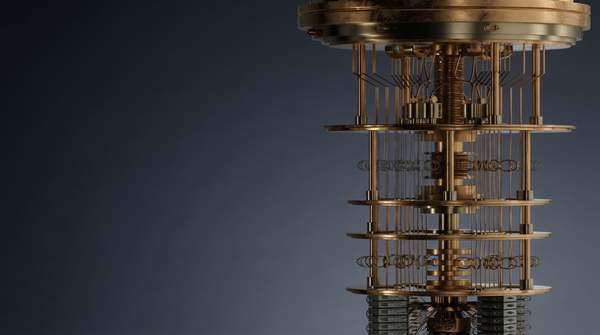
Comparing Leading Qubit Technologies: Superconducting, Trapped-Ion, and Neutral Atom Qubits
Quantum computing's potential hinges on qubits, which leverage superposition and entanglement for immense computational power. This article compares three leading qubit technologies—superconducting, trapped-ion, and neutral atom—examining their mechanisms, performance, and scalability challenges.