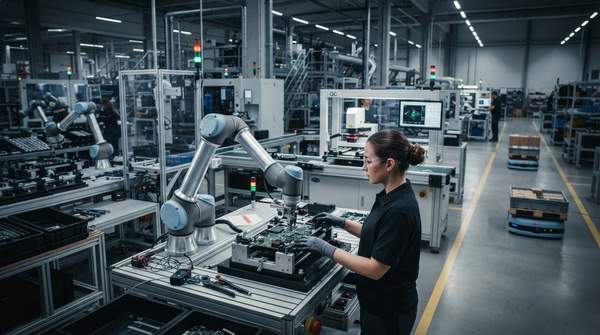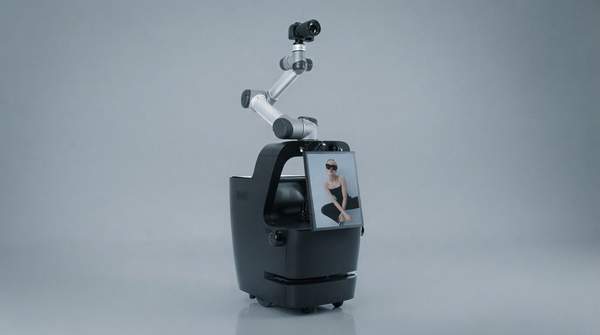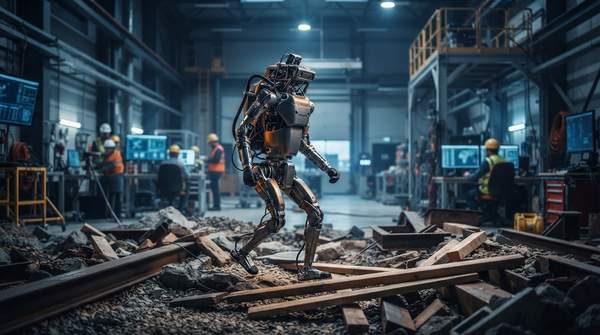
Embodied AI is artificial intelligence that acts physically in the world through a robot body, and its defining problem is that no simulation can fully prove it is safe, reliable, and adaptable enough for commercial deployment. That gap is why dedicated real-world testing hubs are emerging, with Hong Kong's new Embodied AI International Applications Hub, launched in October 2026, offering a concrete model of how the field is trying to close it.
What is Embodied AI?
Embodied AI refers to intelligent agents that interact physically with their environment rather than only processing text or images. The Allen Institute for AI (Ai2), which runs a research program in the field, describes its goal as developing intelligent robots trained in advanced simulation environments to automate routine tasks, with a research path leading from embodied learning to real-world robot manipulation.
The term covers systems that navigate spaces, grasp and manipulate objects, and learn from the consequences of their own actions. A survey paper on embodied AI, from LLMs to world models, frames the field's stakes plainly: agents increasingly interact physically with humans and dynamic environments, which makes explainability and trustworthiness essential for safe, ethical, and widespread real-world deployment.